Architecture, Engineering
& Construction
& Construction

Integrated BIM tools, including Revit, AutoCAD, and Civil 3D
Product Design
& Manufacturing
& Manufacturing

Professional CAD/CAM tools built on Inventor and AutoCAD

Discover
How to buy

Whether roads or railways, bridges or tunnels: Infrastructure needs to be built to meet not only today’s needs but also tomorrow’s challenges.
Autodesk supports engineers, designers, and construction companies with tools that help them get their work done. Our integrated digital solutions enable teams from various disciplines to plan, design, engineer, and build infrastructure. The structures that emerge as a result of this intelligent collaboration and these efficient processes will stand the test of time.
of construction industry executives report that digital transformation has increased productivity at their companies.
of digital pioneers say that digital transformation makes their companies more attractive to skilled workers.
of construction industry executives agree that future growth depends on the use of digital tools.
of digital pioneers plan to expand their investments in artificial intelligence.
On the Next in Transportation podcast, industry experts share their experiences with host Pontus Bengtson, a business development executive at Autodesk.
We discuss the issues that will shape the transportation sector in the coming years: in road and rail construction, in the planning of ports and airports, and in the related energy infrastructure. Come listen to the future!
What are the most important trends in transportation infrastructure planning and operations? Read about them in the Spotlight on Transportation study, which surveyed 900 industry representatives about their views.
The myth that AI can replace skilled workers persists. But what experience have industry experts had so far? The facts will surprise you...
What changes when you use a consistent data environment from a structure’s initial design through to its operation? Find out more about digital project delivery here.
Event
Every year, the entire rail construction ecosystem comes together to network and share ideas. Find out more here about the event and its key activities, presentations, and video segments.
EBook
From fragmented project management to smart infrastructure: Connected digital design frameworks mean rail projects can be completed within the agreed-upon timeframe and budget.
Digital project management is a cloud-based process that connects your employees, project data, and workflows in a common data environment—throughout the project lifecycle. That way, everyone involved has access to the most up-to-date information in the correct format. This delivers higher-quality results and increases productivity.
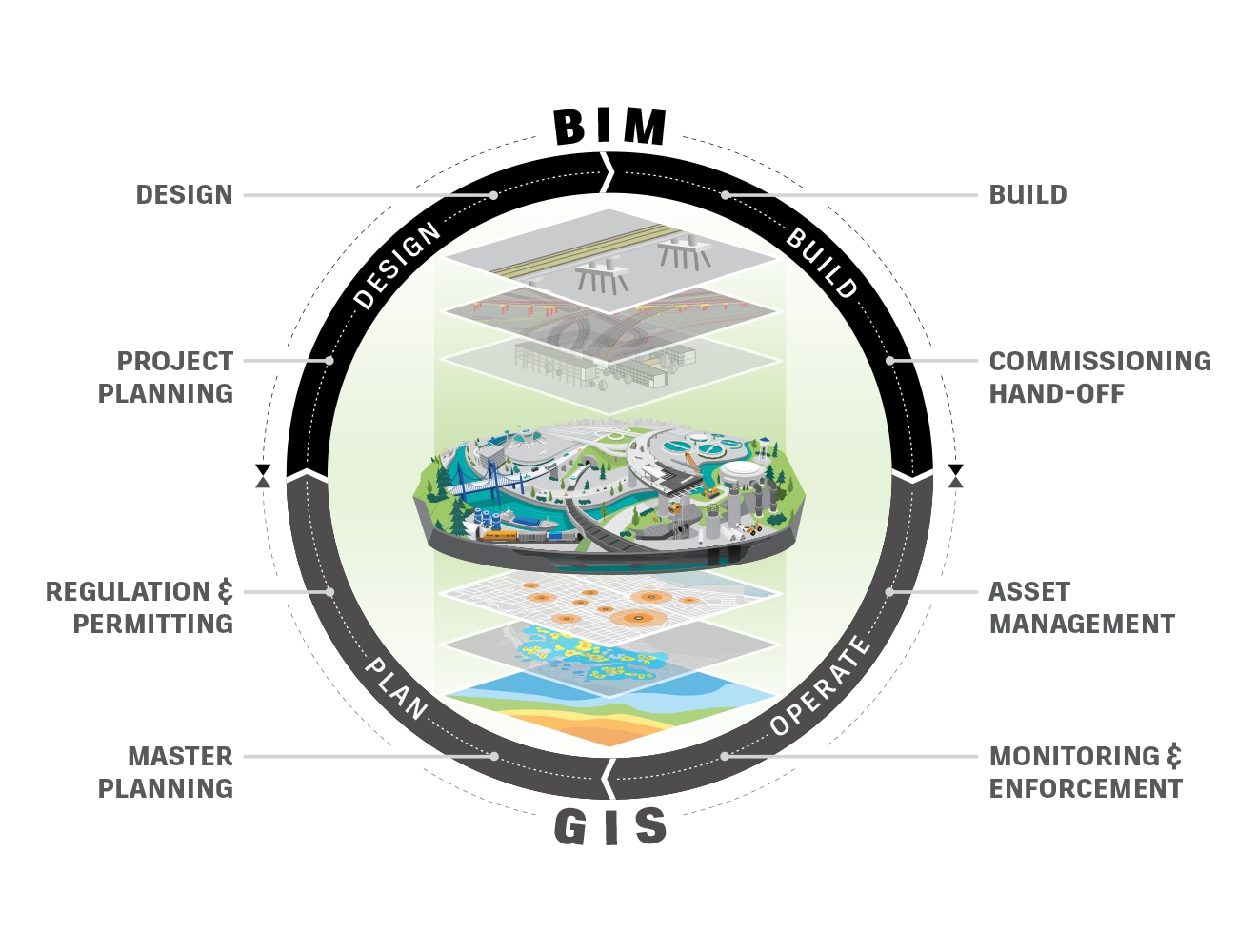
By combining design data with site information, builders and their technical service providers can gain a better understanding of how structures fit within their natural surroundings. This leads to more informed decision-making, a reduction in costly errors, and improved collaboration among project participants.
Digital technologies are bringing about fundamental changes in the transportation sector. That’s why protecting sensitive data is crucial to strengthening the trust of the public and all project participants. With our technologies, customers can rest assured that their data is always secure, protected, and reliable.
Stakeholders in transportation projects often use various solutions from multiple providers to implement maintenance and operations models. This can lead to a loss of information when the project is handed over to the builder. Autodesk sets great store by interoperability to ensure seamless data exchange between file formats and different departments.
For all transportation projects, the existing environment serves as the basis for planning and design activities. Reality mapping is an important tool in this process, carried out using advanced technologies and software such as Autodesk’s ReCap Pro. Capturing detailed information enables the creation of a precise “digital twin” that replicates a location in high resolution.
Cloud-based design co-authoring, collaboration, and coordination software for architecture, engineering, and construction teams. “Pro” enables anytime, anywhere collaboration in Revit, Civil 3D, and AutoCAD Plant 3D.
Powerful BIM and CAD tools for designers, engineers, and contractors, including Revit, AutoCAD, Civil 3D, Autodesk Forma, and more
Improve the efficiency of complex design and project tasks through connected communication and collaboration in the cloud.
Collaborative and connected workflows in a common data environment provide access to aggregated models at every stage.
Reduce rework and the number of change requests by improving model accuracy and data quality.
Stand out from the competition and win more contracts for public infrastructure projects by complying with digital requirements.
Discover how the TELT consortium is using BIM and digital collaboration to drive efficiency and innovation on the cross-border Mont Cenis Base Tunnel—one of the most ambitious rail projects in Europe.
Webinar
Transportation and infrastructure teams are being asked to deliver more, faster — against aging assets and ever-growing volumes of reality-capture data. This session shows how AI is reshaping the transportation workflow from the field to finished designs.
Webinar
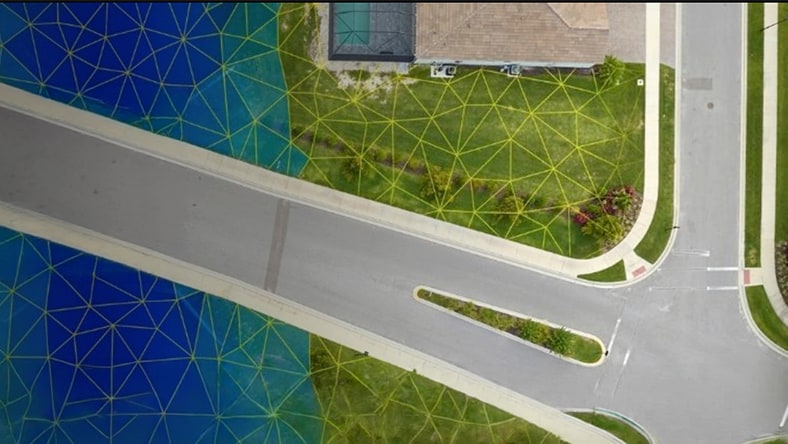
Transportation projects demand efficient, accurate, and coordinated drainage design workflows. Join us for this webinar to discover how Autodesk Civil 3D and InfoDrainage work together to streamline the design and analysis of roadway and transportation drainage systems.
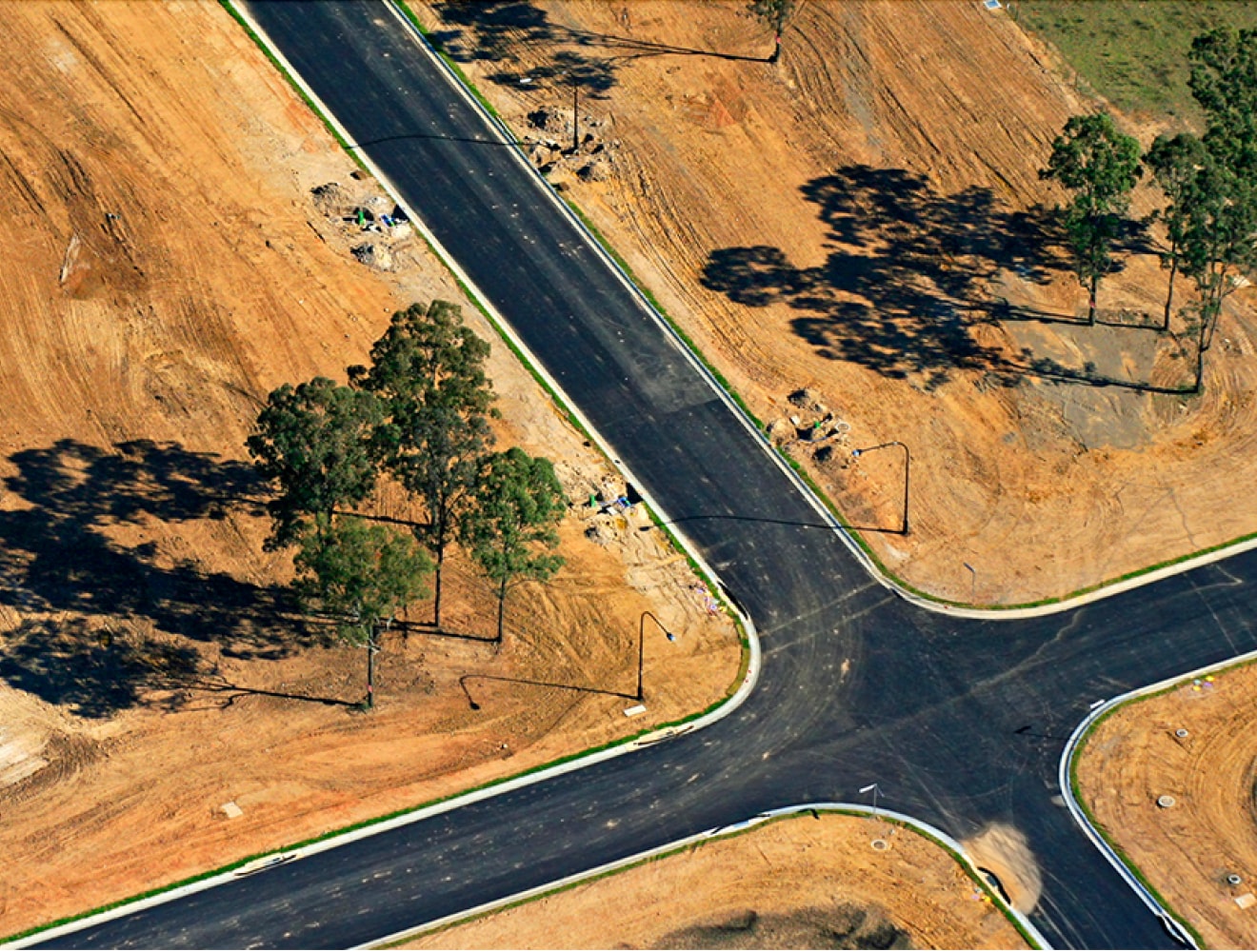
From planning to handover, get support for each stage of your road or highway project.
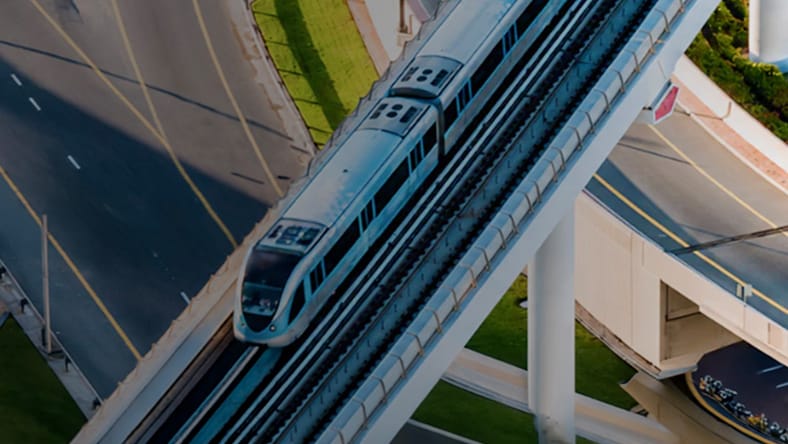
Deliver best-in-class, resilient rail infrastructure with reduced complexity and increased quality.
Use advanced analysis and design workflows for bridges and tunnels.
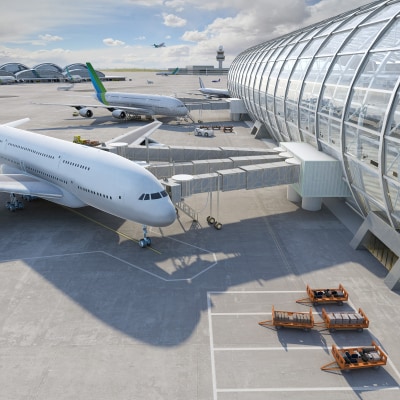
See how Autodesk solutions can enhance the resilience of your airport and port designs.
Transportation engineering is an area of civil engineering that involves the planning, design, construction, and maintenance of transportation systems for both public and private use. Transportation systems get people and goods from A to B and include road and highways, rail, and bridges and tunnels. Airports (US Site), oil pipelines, and traffic control systems also come under the transport engineering umbrella.
Public transportation owners, such as state DOTs, local municipal governments, rail owners and operators, and airport agencies, use transportation engineering software to determine existing conditions and evaluate maintenance operations and expansion needs. Engineering service providers and general contractors also use transportation design software to work out efficient designs and construction methods for implementing the design intent for their transportation assets.
Autodesk’s AEC Collection and Autodesk Construction Cloud are ideal solutions for virtually any transportation project. The platforms within the AEC collection help ESPs and owners design, review, and manage transportation projects through the planning, designing, building, and operational phases.
The Autodesk Construction Cloud acts as a central storage location for design files, project criteria, meeting summaries, design reviews, comments, and issue tracking, as well as many other critical project documents.
Design automation, digital project delivery, and AI all are influencing the transportation engineering industry.
Design automation is helping owners and engineers save time by processing design routines faster and more efficiently. Dynamo for Civil 3D (US Site) and Revit help automate time-consuming or complex tasks in a fraction of the time and with greater accuracy.
Digital project delivery involves creating intelligent models that can be used in maintenance processes and act as a basis for future projects. Owners can provide better services to the public when they have more knowledge about the public infrastructure. They can also communicate critical details to stakeholders and designers via digital models and the associated details.
AI is quickly becoming part of a system that helps improve the quality of infrastructure while allowing owners and stakeholders to communicate and collaborate in real-time about infrastructure conditions and dynamics.
Smart transportation engineering software solutions allow owners and operators to evaluate systems to determine if they are working effectively. They can also assess problematic areas and establish reasonable solutions to improve overall public infrastructure.
The Autodesk AEC Collection accommodates third-party applications. Some third-party software has the ability to determine the carbon impact of materials and usage of transportation infrastructure.
Infrastructure models, such as those created in the Autodesk AEC Collection, are based on existing condition details. These models contain geometric features and valuable metadata such as material types, quantities, and installation records. This information can be readily used by smart transportation systems.